Chornobyl Zone as a Secret Testing Ground: Little-Known Facts About Soviet Research After 1986
Following the Chornobyl disaster, the Soviet leadership turned the Exclusion Zone into a secret laboratory to study the effects of radiation on wildlife and machinery.
Key points
- The Chornobyl zone was used as a secret testing ground by the USSR.
- Researchers studied radiation-induced genetic mutations in animals.
- Specialized equipment was tested for radiation resistance.
The 1986 disaster at the Chornobyl Nuclear Power Plant was not only a massive ecological catastrophe but also the catalyst for classified research. While Soviet authorities attempted to conceal the true scale of radioactive contamination from the international community, scientists began conducting covert studies. The Exclusion Zone transformed into an open-air laboratory designed to examine biological resilience and equipment performance under extreme conditions.
Studying Mutations and Biological Endurance
A primary focus for Soviet researchers was observing genetic changes in wildlife. Specialists concentrated on small mammals captured in heavily contaminated areas, particularly around the Red Forest. Scientists recorded chromosomal abnormalities, reproductive dysfunctions, and embryonic development issues caused by continuous radiation exposure.
The gathered data helped determine the limits of biological survival under severe stress. However, the Soviet government kept these findings under wraps, as official policy dictated downplaying the biological consequences of the disaster. Later, in the 1990s, these archived materials assisted foreign geneticists in continuing the research.
Testing Machinery in Extreme Environments
In addition to biological studies, the Chornobyl zone served as a testing ground for equipment durability amid high radiation levels. The cleanup operations required specialized machinery that frequently malfunctioned due to intense radiation. Engineers tested vehicle limits to find viable solutions for operating near the destroyed fourth reactor.
These historical records highlight a lesser-known facet of the post-disaster period. Chornobyl functioned not only as a crisis management site but also as a secretive testing ground for Soviet scientific experiments.
Source kyivschina24.com — kyivschina24.com/news/tayemni-eksperymenty-srsr-u-chornobyli-yak-zonu-v… ↗
Read next
 🛡️Security
Frontline Update: General Staff Reports Over a Hundred Combat Clashes and Mass Shelling
The General Staff of the Armed Forces of Ukraine released an operational update on the frontline situation as of the morning of November 22, 2026. The highest enemy activ…
 🏙️City
The Philosophy of Repair: Why Brovary and Other Cities Are Adopting the 'Broken World Thinking'
Utility workers and local communities face daily reconstruction challenges, maintaining vital infrastructure amid ongoing crises.
 🎭Culture & Sport
Ukrainian Theatre in Europe: Touring Challenges, Audience Emotions, and Behind-the-Scenes Struggles
Producer Serhii Chudaiev shared how Ukrainian performances abroad become meeting places for compatriots, detailing the logistic and organizational hurdles organizers face…
 🛡️Security
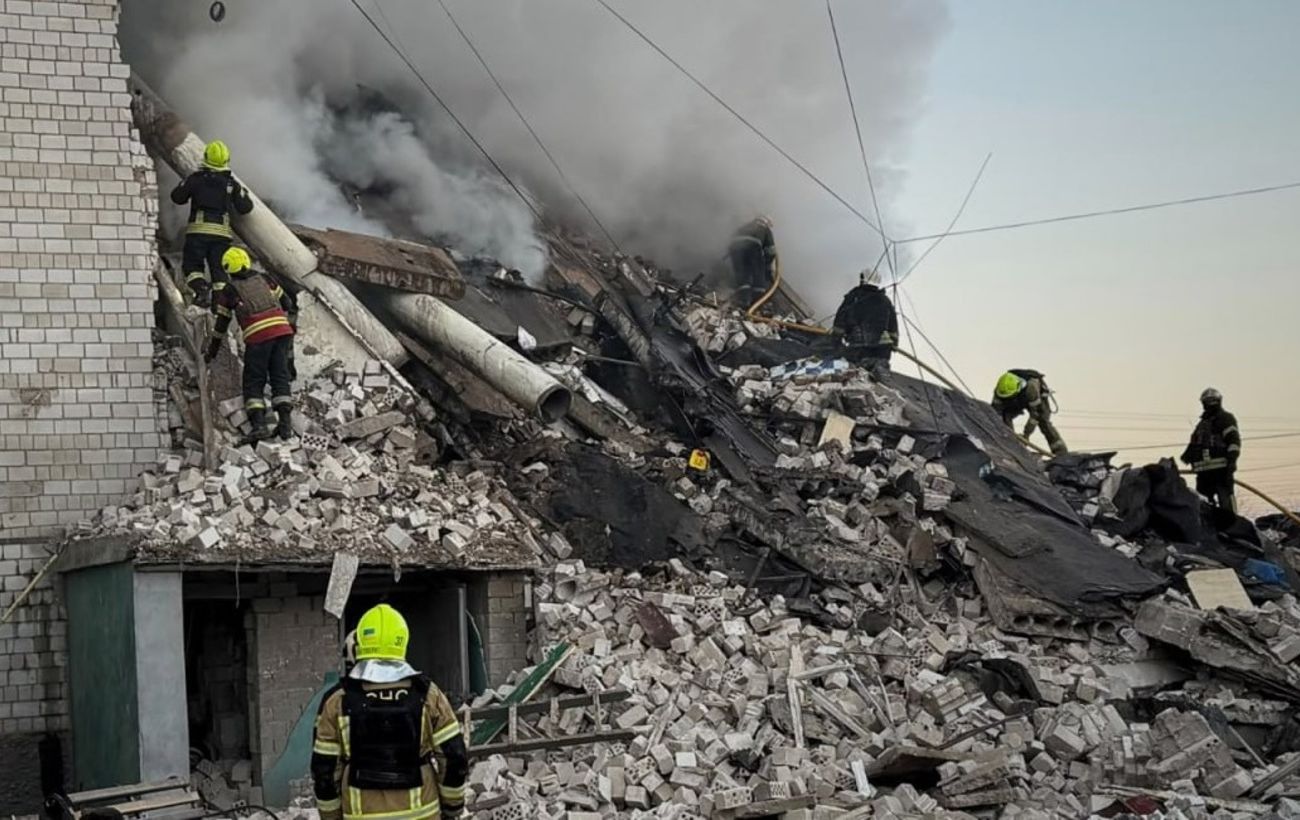
Strike on a residential building in Kyiv region: Search ongoing for 14 missing residents
Rescue operations continue after an enemy strike hit a five-story building in the Kyiv region, leaving 14 people unaccounted for.
 💼Economy
Basic food prices in supermarkets: where to shop for the best deals
An analysis of key food prices across popular Ukrainian retail chains reveals significant cost differences depending on brands and ongoing discounts.
 🛡️Security
Four strikes a day: Zhytomyr region's energy infrastructure targeted by enemy
Russian forces launched four drone strikes against energy infrastructure facilities in the Zhytomyr region within 24 hours, attempting to cut off electricity and heating.