Global environmental alarm: giant seaweed belt rapidly expanding in the Atlantic
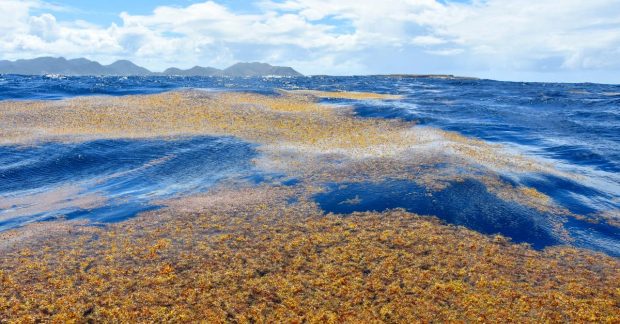
Scientists are recording a record-breaking expansion of the sargassum seaweed belt in the Atlantic Ocean, posing a threat to ecosystems and the climate.
 👥Society
Photo: UNIAN
Key points
- The seaweed belt has reached 8,850 km in length.
- Excess nitrogen and phosphorus fuel abnormal growth.
- Decomposing sargassum releases toxic gases and methane.
- International monitoring of nutrient runoff is required.
Large-scale sargassum bloom
Researchers have documented a record expansion of pelagic sargassum in the Atlantic Ocean. By 2025, the belt of these brown algae reached a length of 8,850 kilometers, significantly exceeding figures from previous years. While these plants were once restricted to the Sargasso Sea, they now form a continuous strip stretching from the coast of Africa to the Gulf of Mexico.
Causes and consequences of the anomaly
Scientists attribute the rapid proliferation of the algae to excessive influxes of nitrogen and phosphorus into the ocean. These substances enter the water through agricultural runoff, sewage discharge, and flooding of major rivers, particularly the Amazon. In nutrient-rich environments, sargassum biomass can double in as little as 11 days.
The excessive amount of seaweed washing ashore causes severe environmental issues. As it decomposes, it releases toxic hydrogen sulfide and methane, damaging coastal zones, coral reefs, and local economies. Experts are calling for international monitoring and a review of policies regarding nutrient runoff into the world's oceans.
Source UNIAN — unian.ua/ecology/sargasovi-vodorosti-v-atlantici-chomu-gigantskiy-p… ↗
Read next
 🩺Health
Scientists revive ancient bacteria from permafrost: climate risks identified
Researchers from the University of Colorado have successfully revived microorganisms frozen for up to 40,000 years, revealing their potential for rapid growth.
 🇺🇦Ukraine
US Intelligence Chief: Putin Is Not a Friend of America
US Director of National Intelligence Jay Clayton stated that Vladimir Putin is not a friend of America, particularly regarding the war in Ukraine.
US Director of National Intelligence: Putin is not a friend of America regarding Ukraine
US Intelligence Chief Jay Clayton distinguished between Donald Trump's diplomatic rhetoric and the reality of US-Russia relations, labeling Putin an adversary regarding t…
 🛡️Security
Tragedy in Dymer: Death toll from Russian attack rises to eight
Rescue teams continue clearing debris in Dymer, Kyiv region, where eight people have now been confirmed dead following a Russian strike.
 🛡️Security
Humanitarian initiatives and the frontline: ISW experts analyze evacuation proposals
Analysts from the Institute for the Study of War explain the difference between potential humanitarian corridors along the Dnipro and the unrealistic nature of Russian pr…
 💡Tech
Oil refinery attacked again in Novoshakhtinsk
On the night of November 23, the Novoshakhtinsk oil refinery in Russia's Rostov region was hit, an facility known for supplying fuel to the Russian military.